

International Transport Organization
How we think
- route logic
- jurisdictional alignment
- counterparty structure
- execution control
What we structure
- logistics architecture across regions and transport modes
- interaction between carriers, terminals and agents
- documentation flows across multiple jurisdictions
- timelines, dependencies and contingency scenarios
-
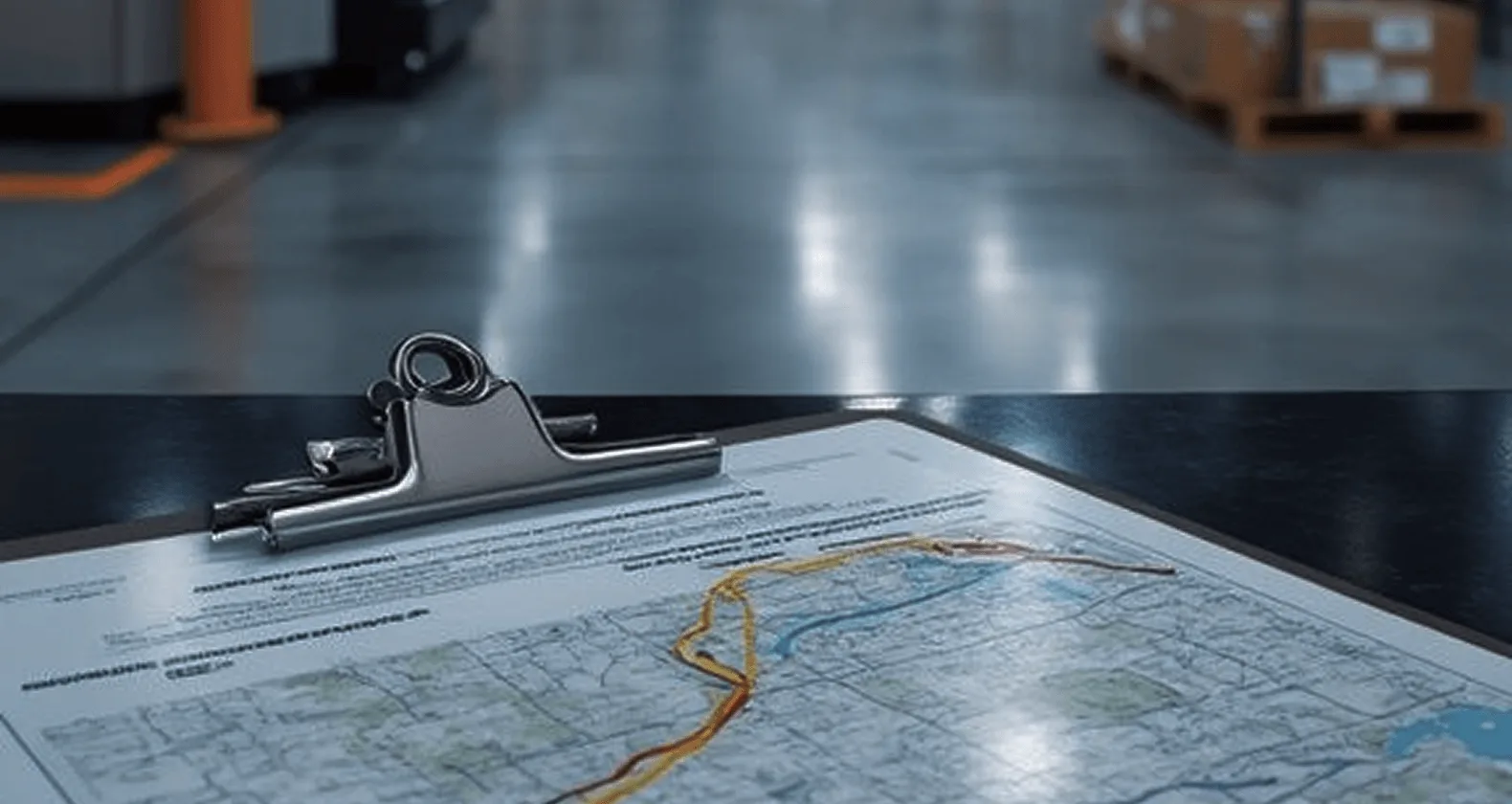
 Route & schedule structuringPlanning of maritime routes, transit windows and line schedules — including alternative routing options and contingency scenarios
 Route & schedule structuring
 -
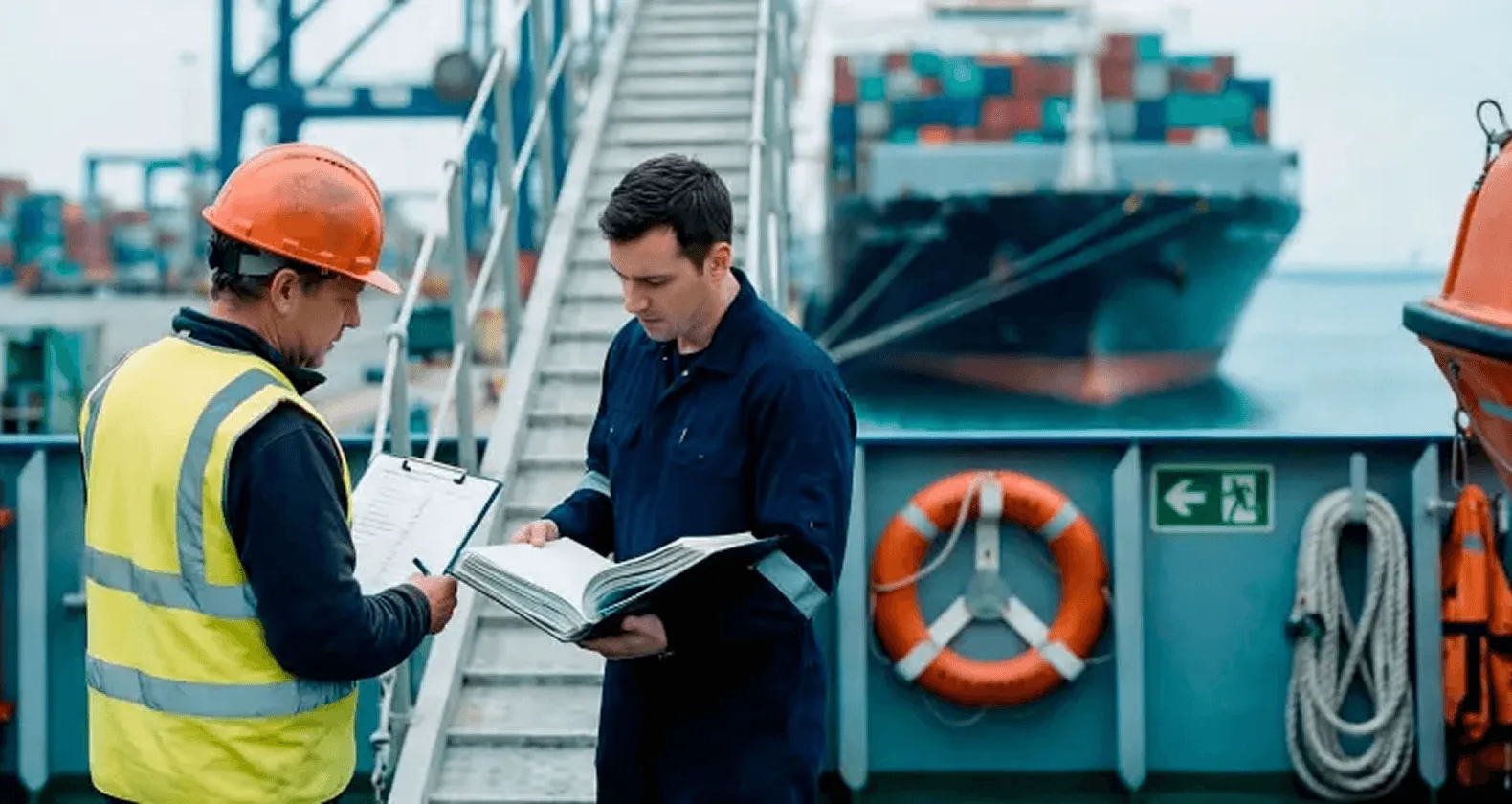
 Documentation & controlsTransport, commercial and regulatory documentation structured in accordance with the jurisdictions involved in the project
 Documentation & controls
 -
 Container provisioningSelection and provision of container equipment tailored to the cargo profile — including standard, reefer, open-top, flat rack and other specialized units
 Container provisioning
 -
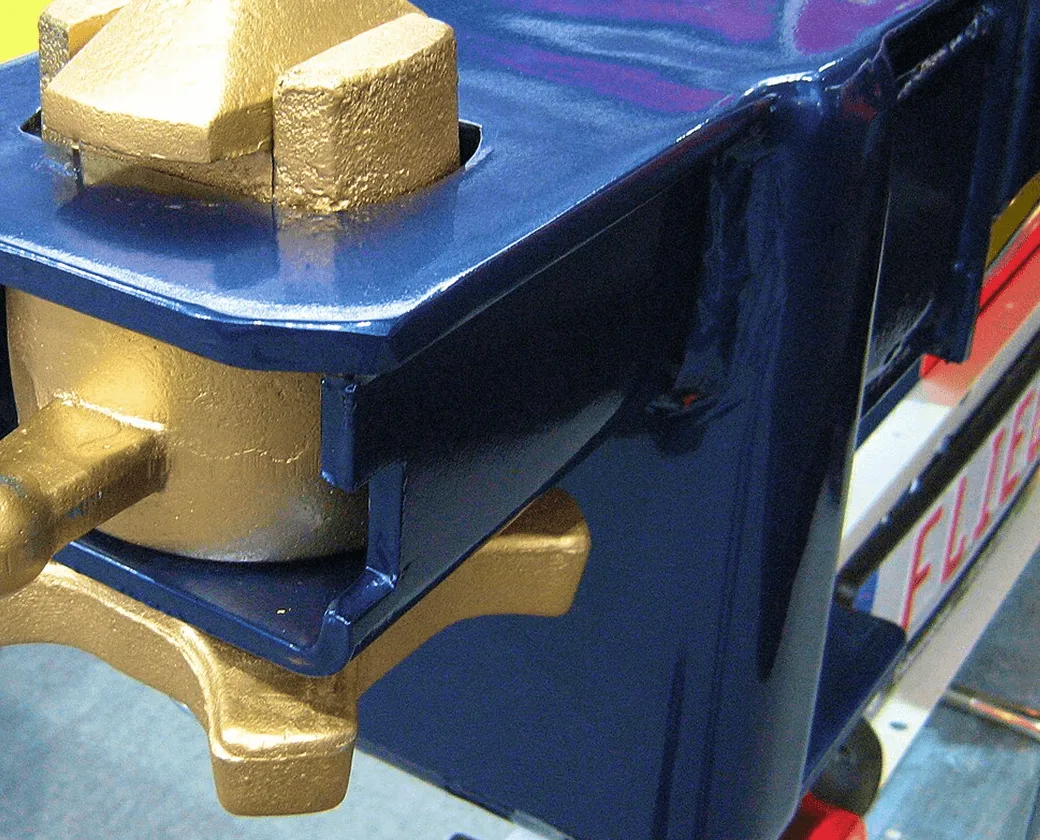
 Securing & safetyCargo securing plans, handling requirements, marking and readiness checks aligned with transport and safety standards
 Securing & safety
 -
 Stakeholder coordinationCoordination between ports, terminals, shipping lines, agents and contractors — integrated into a single execution framework
 Stakeholder coordination
Control model
-
Single operational structure
-
Aligned stakeholders
-
Continuous monitoring
-
Structured escalation paths
Our Approach
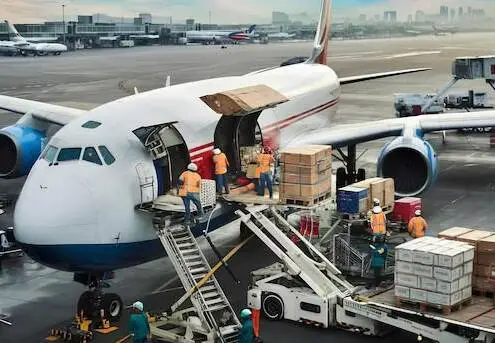
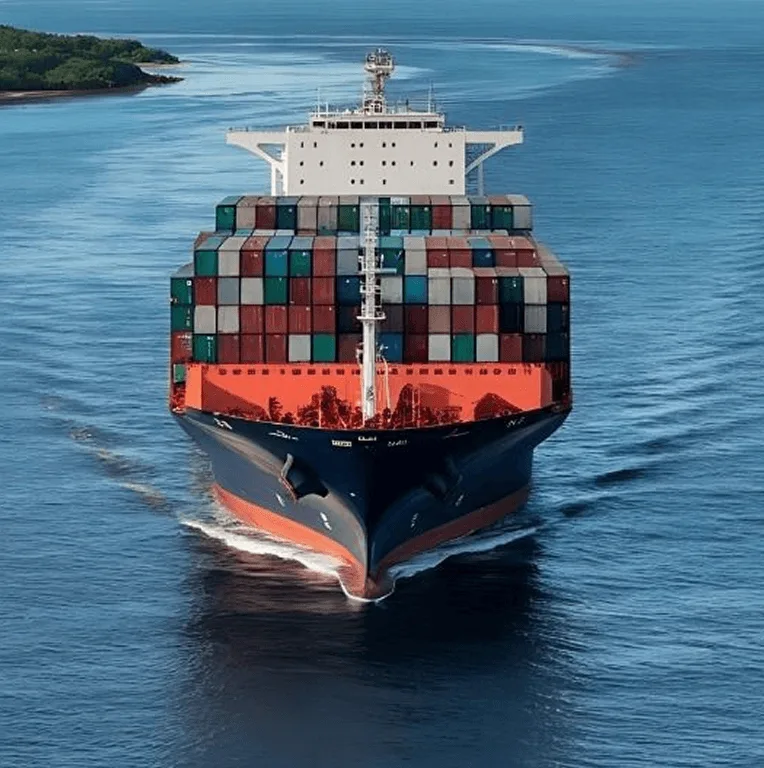
Vessel selection is treated as a risk and compatibility decision — not a booking. Every vessel decision is part of a broader logistics and risk structure.
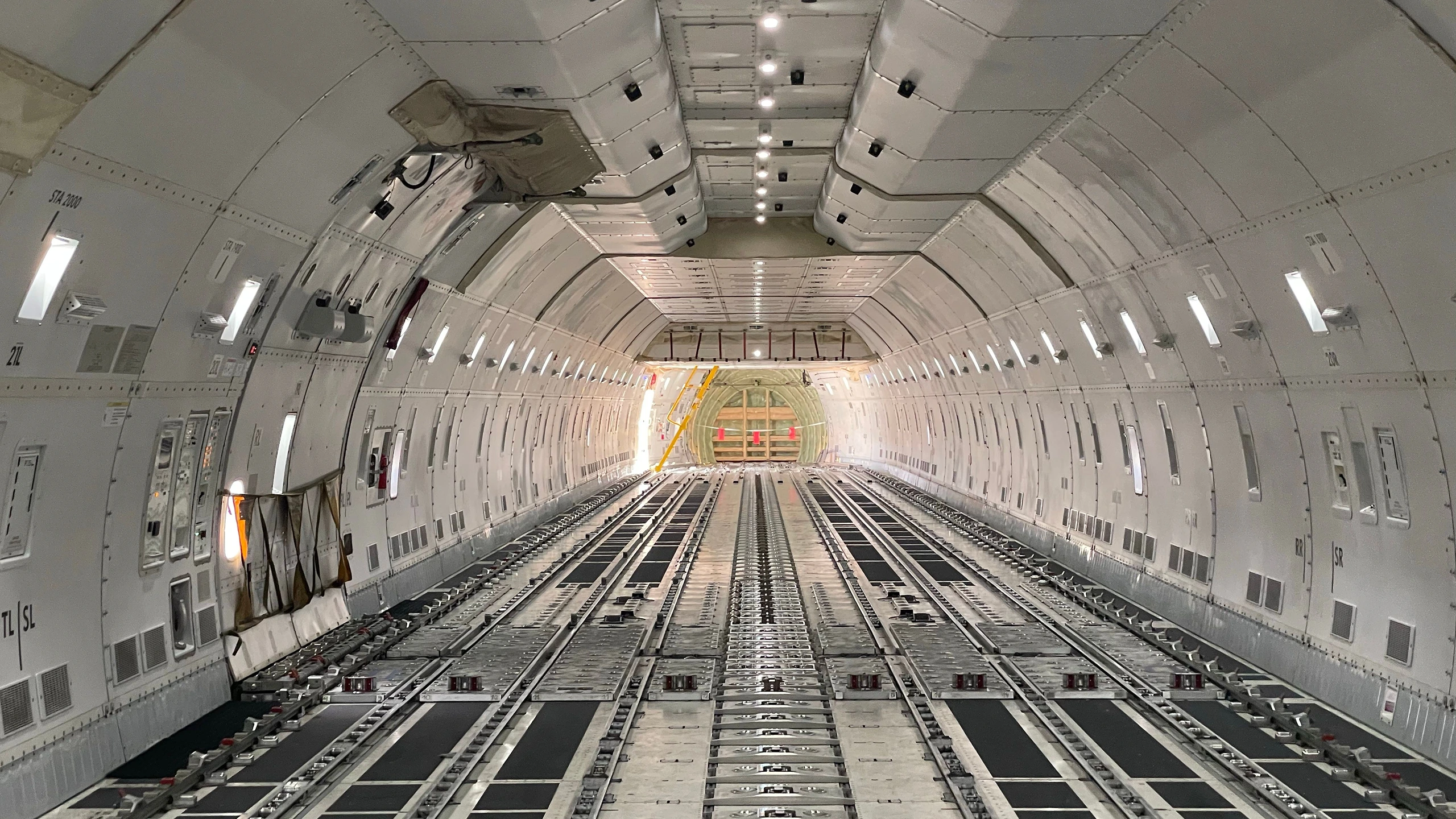
We manage logistics where control, traceability and regulatory clarity are essential. Control is built into the logistics from the outset.
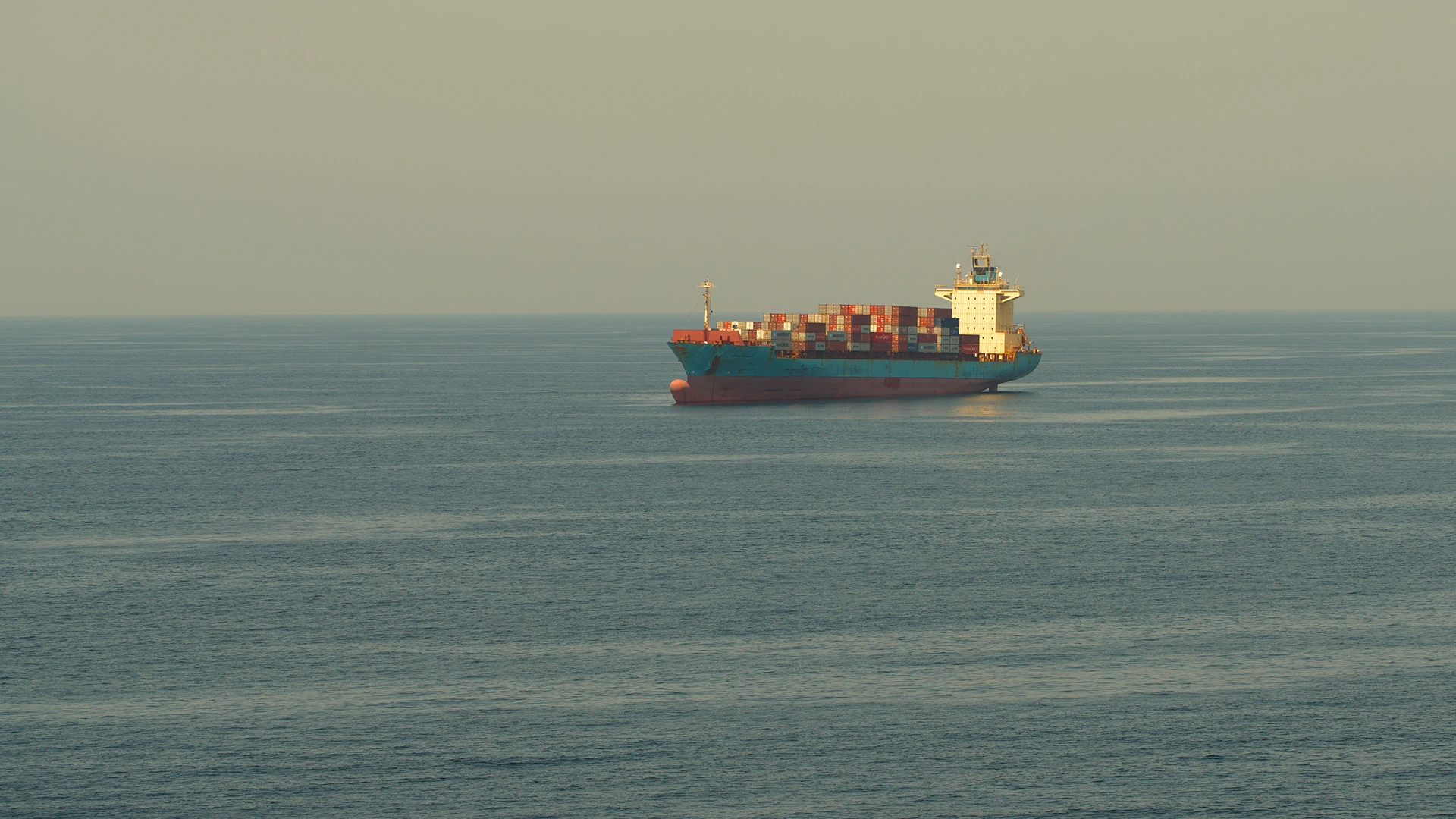
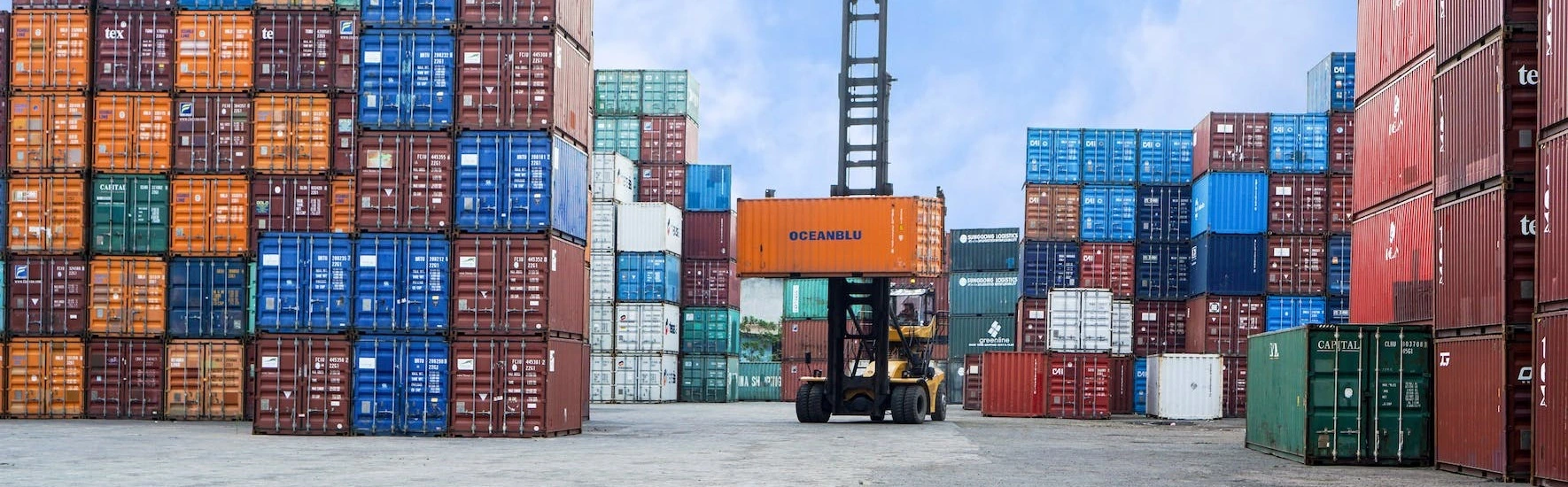
Within container logistics we arrange transportation using standard and specialized containers and provide containers selected for each shipment cargo type and route. We address safety securing marking and documentation requirements and coordinate with ports terminals and shipping lines. Container solutions are developed individually based on cargo characteristics and regulatory requirements.
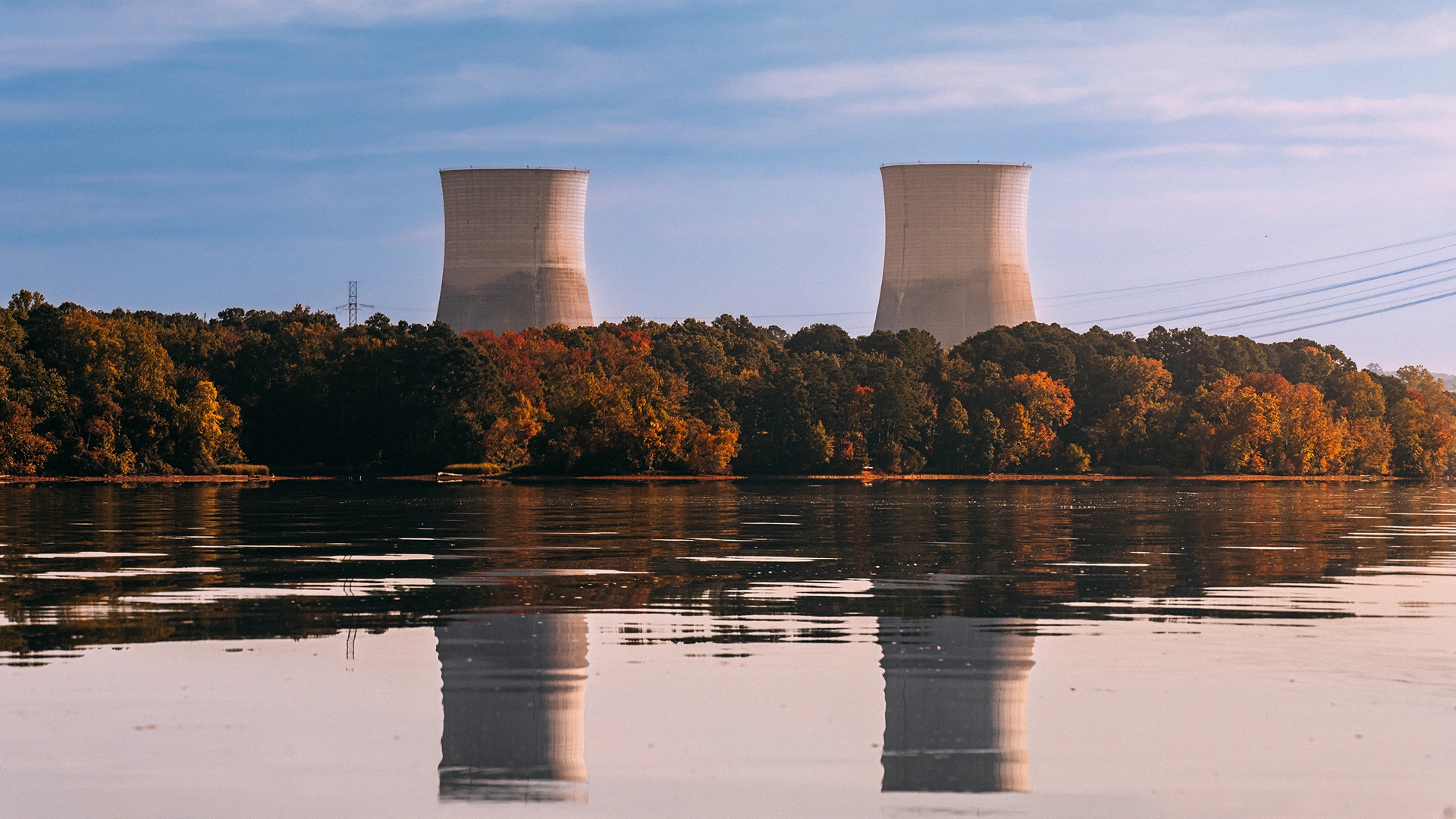
Transport organization of U3O8 within strictly defined regulatory and industry frameworks. Zorberg AG acts as a transport organizer within applicable nuclear, transport and export control regulations. Operations are conducted within fully controlled, transparent and compliant logistics frameworks.